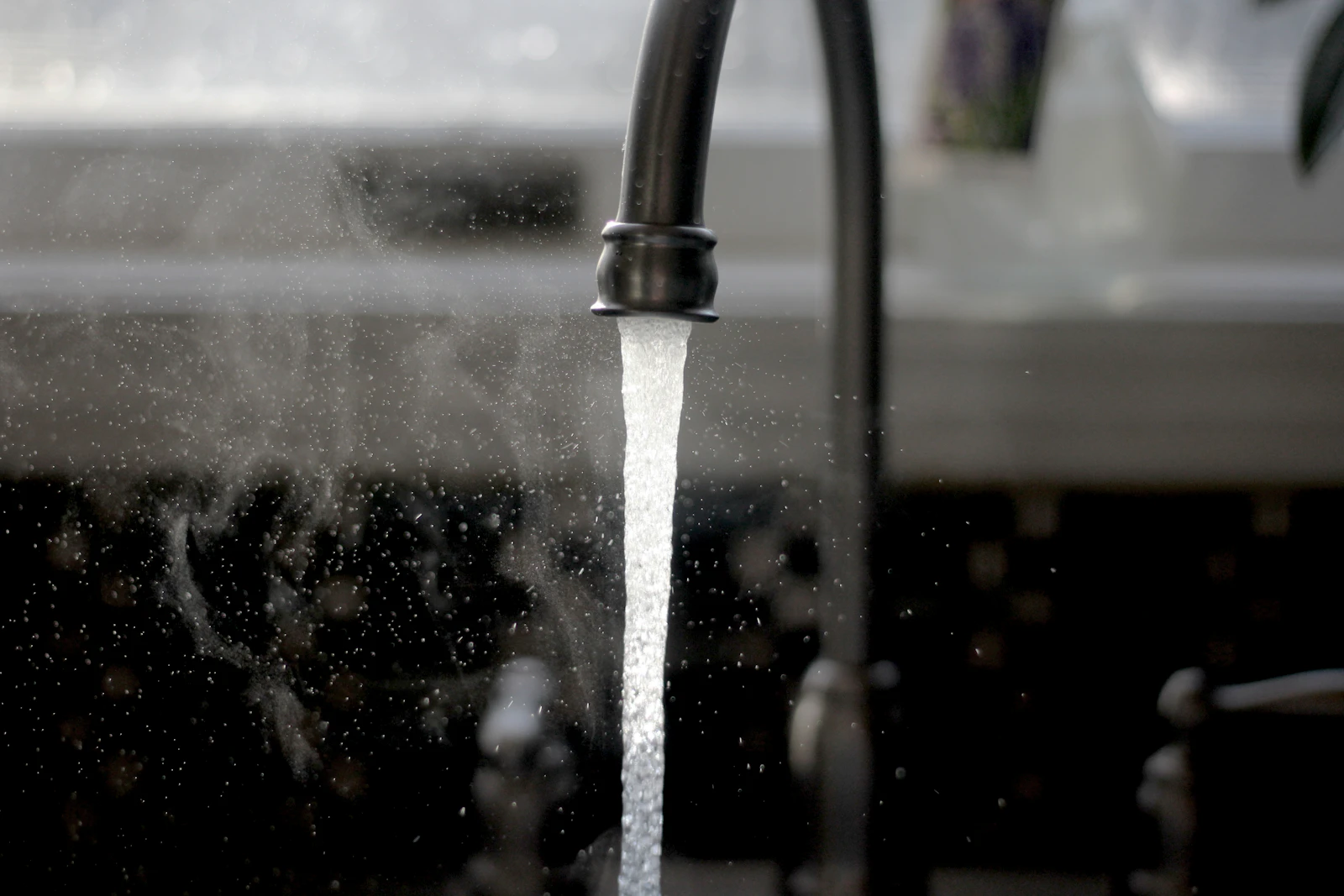
Indoors
- Fix water leaks and drips: even a slow one adds up over a billing cycle.
- Turn off the tap when it's not actively in use.
- Install low-flow toilets, and repair any running toilet promptly.
- Take showers instead of baths: they use meaningfully less water.
- Use WaterSense-certified showerheads, fixtures, toilets, and irrigation equipment.
- Only run dishwashers and washing machines when full, or use the appropriate water-level setting for the load size.
- Scrape food into the trash or compost instead of rinsing plates before loading the dishwasher.
- Install faucet aerators to reduce flow without sacrificing pressure.
- Upgrade to high-efficiency, ENERGY STAR®-certified washing machines and dishwashers when it's time to replace them.
- Collect and reuse water where you can: leftover cooking water works fine for plants.
- Set your water heater to a safe, comfortable temperature: lower settings mean greater savings on both water heating energy and wear.
- Consider dual-flush toilets or retrofit kits to reduce water use for liquid waste.
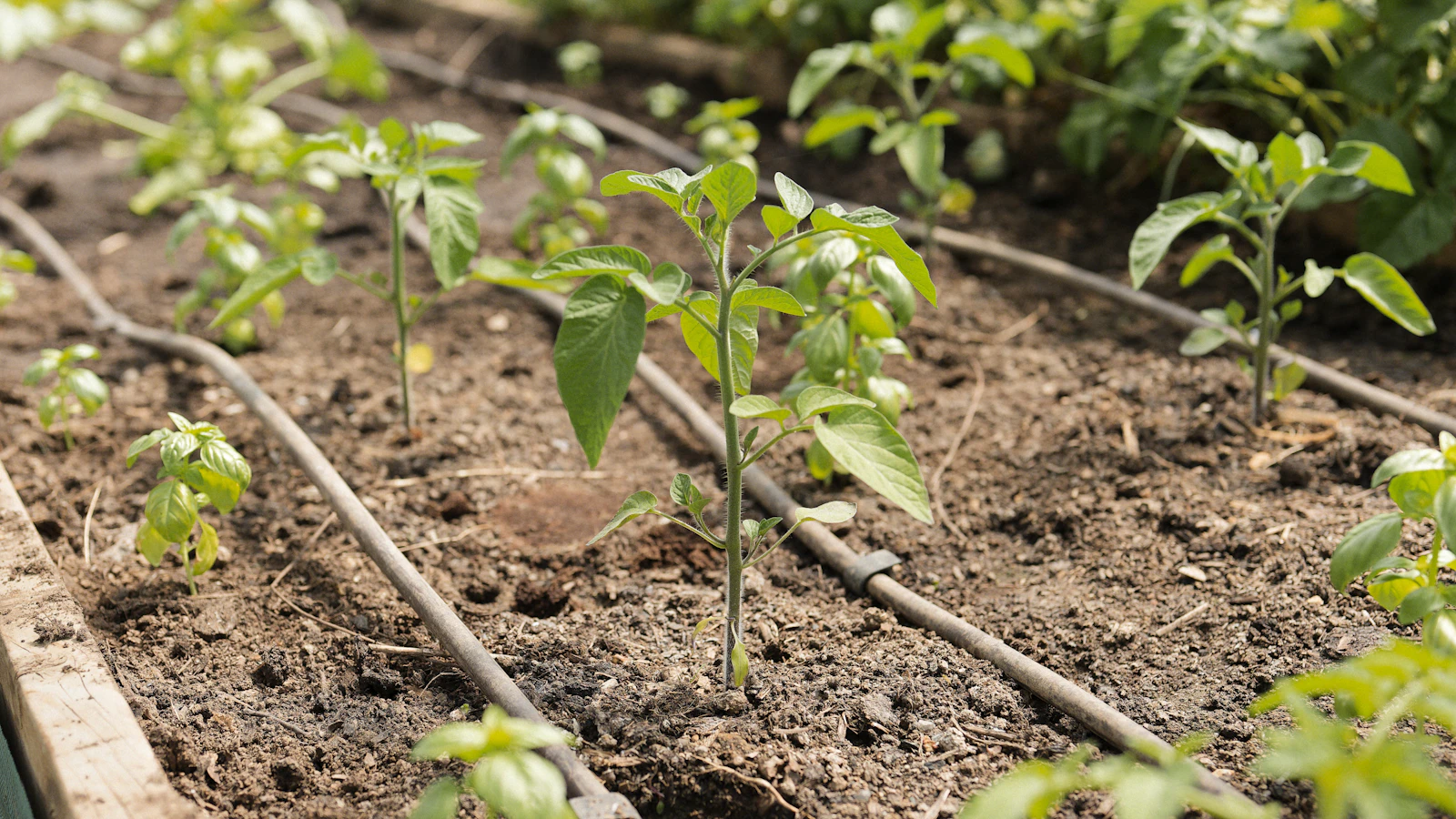
Outdoors
- Install low-water, drought-tolerant landscaping and grasses: Texas summers make this one of the highest-leverage changes you can make.
- Maintain irrigation systems for efficient operation, and check your yard for soft, moist spots that might indicate a leak.
- Don't over-water, and avoid watering during the hottest part of the day to reduce evaporation loss.
- Aim sprinklers so they only cover lawn and landscaping: not sidewalks, patios, driveways, or streets.
- Comply with local water use restrictions (many Texas municipalities have seasonal or drought-driven rules).
- Sweep or blow driveways and patios clean instead of hosing them off.
- Cover pools when not in use to reduce evaporation.
- Install rain barrels to harvest rainwater for plants and landscaping.
- Use drip irrigation instead of sprinklers to target plant roots directly and reduce evaporation.
- Group plants by water needs so you're not overwatering some to satisfy others.
- Mulch garden beds to retain soil moisture and reduce evaporation.
- Install soil moisture sensors to avoid unnecessary watering cycles.
Still need to pick an electricity plan?
That's the part we've actually built: real plans, no gimmicks, a straight recommendation.
Frequently asked questions
What are the best ways to save water indoors in a Texas home?
Fixing leaks and drips promptly, installing low-flow toilets and WaterSense-certified fixtures, taking showers instead of baths, and only running dishwashers and washing machines with full loads are the highest-leverage indoor changes.
What are the best ways to save water outdoors in Texas?
Drought-tolerant landscaping is the single biggest lever given Texas summers, along with maintaining irrigation systems, watering outside the hottest part of the day, and aiming sprinklers so they only cover lawn and landscaping, not pavement.
Are there water use restrictions in Texas?
Many Texas municipalities have seasonal or drought-driven watering restrictions, and they vary by city. Checking your specific municipality's current rules is worth doing rather than assuming statewide rules apply.
Source: Public Utility Commission of Texas, Ways to Save: Water. Learn more directly from the PUCT at puc.texas.gov.